Regina has traditionally relied on her large herd of sheep and goats as her primary
source of livelihood. She would sell livestock for her
family needs such as food and even pay off school fees.
However, due to the ongoing drought in the region, she
has lost 97% of her herd, leaving her family completely
dependent on humanitarian aid for survival.
Recently, Caritas Marsabit, with funding from Sign of
Hope, started an integrated nutrition response project in
Laisamis sub-county where the project provided food
vouchers to the households, health and malnutrition
screening and school feeding program for school going
children. Kebeen is one the village targeted under this
project with integrated outreaches and food voucher
worth Ksh 7,000. While this assistance is greatly
appreciated, the challenges facing Regina and her
community are much more complex than simply lack
of food.
Regina has lived in this village for the last six year and says she has never seen a drought like this
before. She explains how things were in her village just before the interventions began. “In addition
to food insecurity, we were also facing chronic malnutrition among the under 5 children and
pregnant and lactating mothers.
The depletion of livestock has also led to many children dropping out of school due to their parents'
inability to afford fees.” Regina recounts that like many families in her village, she could sell her
livestock to take her daughter to high school without much struggle, but now, this is seems
impossible as all her goats and sheep have been wiped out by the drought.
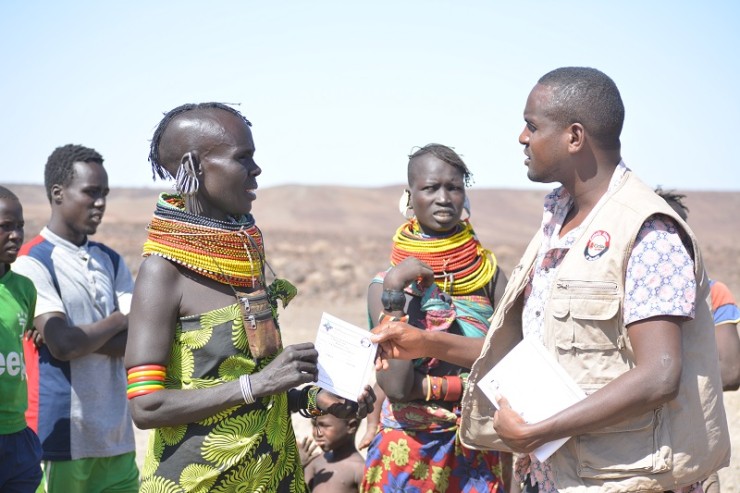
Figure 1 Regina Eloto-a food voucher beneficiary from
Kabeen posing for a photo after receiving her voucher ward
worth Kshs7000
To make ends meet, Regina and her family used to burn charcoal and sell it at Gas, a shopping
Centre located a few kilometers, but fear trekking due to the volatile security in the area. “Conflict
keep erupting between us and our neighbors as people fight for limited natural resource such as
water points and grazing lands.” Reports the mother of nine.
The residents seem to breath a sigh of relieve after the integrated nutrition response project by
Caritas Marsabit commenced in the area. Regina reports that the outreaches were handy as they
helped identify signs of malnutrition and ailments among children under 5 years old. “We receive
support on screening, from the community health workers and health advice in case of illness.
With the support of school feeding program from Caritas, the primary going kids are able to go
back to school but many of the secondary students still stay at home due to lack of fees.
Without assistance from organizations like Caritas, Regina and her family would be forced to rely
solely on wild fruits and pods for survival. She admits that they had resorted to eating anything in
order to live just to see another day. She expresses her gratitude for the timely support, but also
highlights the complexity of the challenges facing her community and the need for long-term
solutions.
Figure 2: A species of pods previously eaten by animals are now eaten by people in Loiyangani
Overall, Regina's story highlights the dire situation faced by many pastoralists in the region, who
are struggling to survive due to the ongoing drought. The food aid provided by Caritas Marsabit
and other humanitarian actors in the region is a step in the right direction, but it's clear that more
needs to be done to address the underlying issues of water scarcity (especially safe drinking water),
insecurity, lack of access to basic necessities and save thousands of households from starvation.
Figure 3: Resident of Kabeen waves off the project team after food voucher redemption in Liyangalani
Figure 4: Beneficiary redeeming food voucher in Loyangalani1
1 Consent was given before taking the photos
Figure 5 A beneficiary posing with a serialized food voucher card ready to redeem food
Recent Success Stories
-
-
The fruit of Survival in North Horr Kenya
Sun Jan 2024 -
Drought tighten grip on residents of Masrabit County
Sun Jan 2024